
Best Time of Year to Trim Trees in the North Carolina Piedmont
Timing your tree trimming correctly protects tree health, reduces disease transmission, and prepares canopies for severe seasonal storms. Here is the season-by-season guide for Cabarrus County yards.
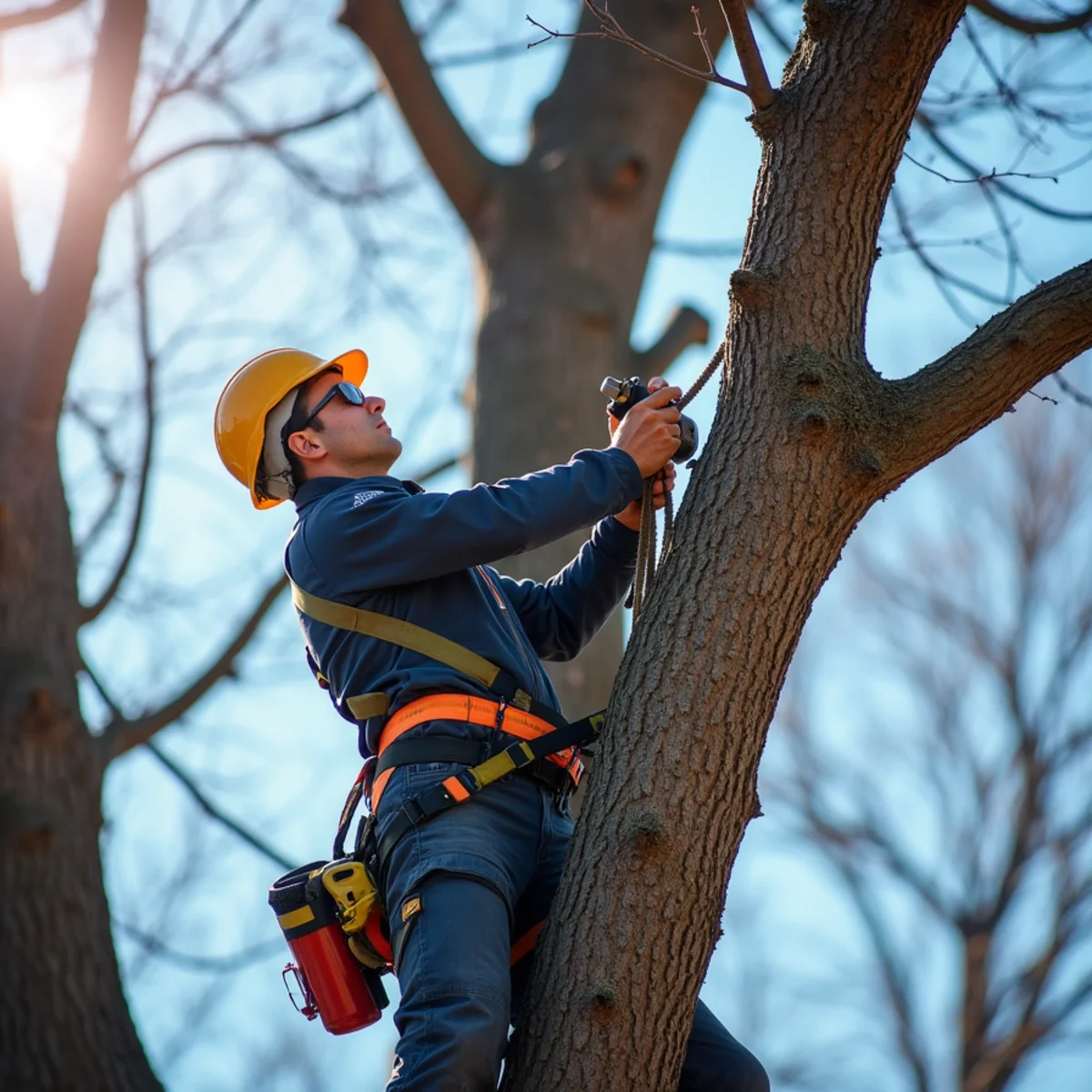
Many homeowners across Concord, Harrisburg, and Kannapolis assume that tree trimming is strictly a warm-weather task suited for lush, leafy spring and summer weekends. In truth, arboricultural biology and plant pathology demonstrate the exact opposite: trimming trees during active summer growth can trigger heavy sap bleeding, attract wood-boring insects, and expose freshly cut vascular tissue to virulent fungal spores.
Understanding the seasonal biological rhythms of native Carolina trees—and adhering to ANSI A300 pruning standards—ensures your mature oaks, maples, pines, and flowering ornamentals stay structurally resilient against heavy Piedmont ice storms and summer thunderstorms.
---
Arboricultural Science: Why Winter Dormancy Is the Gold Standard
Deciduous hardwoods enter dormancy as day lengths shorten and autumn temperatures decline. By late November, trees have pulled vital chlorophyll, carbohydrates, and starches from their leaves down into the underground root system for winter storage.
Pruning during this dormant window offers five distinct physiological and operational advantages:
1. Zero Energy Loss: Because trees store their metabolic fuel underground during winter, cutting away branches during dormancy does not deplete the tree's stored food reserves. 2. Superior Branch Architecture Visibility: Without a dense curtain of green foliage obscuring the crown, our certified arborists have 100% unobstructed visibility into the canopy. We can instantly detect hidden structural defects: co-dominant stems, bark inclusions, crossing and rubbing limbs, hairline stress cracks, and concealed fungal conks. 3. Absence of Pests and Fungal Pathogens: Pruning cuts emit volatile organic chemical plumes that act as chemical beacons for wood-boring insects and fungal spores. In winter, insects are in diapause and fungal spore dispersal is dormant, virtually eliminating wound infection. 4. Optimized Callus Wound Sealing (CODIT): Trees do not 'heal' damaged tissue; they compartmentalize wounds using a specialized defense framework known as CODIT (Compartmentalization Of Decay In Trees). When spring arrives in March, the tree immediately begins generating woundwood and callus tissue over dormant cuts, sealing off exposed wood before pests emerge. 5. Firm Red Clay Protection: Saturated Piedmont red clay is easily rutted by heavy bucket trucks in warm, wet weather. In winter, cooler ground temperatures and firmer soils allow heavy equipment to maneuver with significantly reduced turf disturbance.
---
The Strict April-to-October Oak Pruning Moratorium
If there is one non-negotiable rule in North Carolina arboriculture, it is this: Never prune mature oaks between April 1st and October 31st.
Cabarrus County is home to magnificent native oak species, including willow oaks (Quercus phellos), white oaks (Quercus alba), and southern red oaks (Quercus falcata). During the warm spring and summer months, oaks are intensely susceptible to Oak Wilt (Bretziella fagacearum), a lethal, vascular fungal pathogen.
- The Vector: Nitidulid sap beetles are attracted to fresh oak sap within minutes of a cut being made. If a beetle carries oak wilt spores from an infected tree miles away, it deposits them directly into the tree's open water-conducting xylem vessels. - The Consequence: The fungal infection spreads rapidly throughout the tree's vascular system, blocking water transport. Infected red oaks can completely wilt, drop all foliage, and die within 4 to 6 weeks of infection. - The Only Summer Exception: If an oak branch snaps during a severe storm or poses an imminent threat to human life or roof sheathing, the broken limb must be pruned immediately, and the cut surface must be coated with a thin layer of specialized pruning seal paint to block sap beetle detection.
---
Seasonal Pruning Schedule for Cabarrus County Landscapes
| Season | Best Species to Prune | Recommended Pruning Goals | Critical Rules & Warnings | |---|---|---|---| | Late Winter (Dec – Feb) | Oaks, Red Maples, Hickories, Loblolly Pines, Poplars | Structural crown thinning, deadwood removal, clearance elevation | The ideal window for heavy reduction; maximum canopy visibility | | Early Spring (Mar – Apr) | Late-summer bloomers (Crape Myrtles, Rose of Sharon) | Thinning interior suckers, multi-trunk vase form shaping | No 'Crape Murder'; never top crape myrtle trunks indiscriminately | | Late Spring (May – Jun) | Spring-flowering trees (Dogwood, Eastern Redbud, Magnolia) | Canopy shaping and broken branch removal | Prune immediately after spring flower petals drop to protect next year's buds | | Mid-Summer (Jul – Aug) | Any species with hazardous deadwood | Selective roof clearance, dead branch removal, line clearing | Never remove more than 15%–20% of live green foliage during peak heat | | Autumn (Sep – Nov) | Hold off on major pruning | Emergency storm hazard stabilization only | Pruning in fall can stimulate weak tender growth that freezes during winter frost |
---
Summer & Autumn Trimming: What Is Permitted?
While major structural reshaping should wait for the winter months, certain pruning tasks must not be delayed:
- Hazardous Deadwooding: Dead branches contain no live vascular tissue and cannot defend themselves. Brittle, dead limbs over 2 inches in diameter hanging over patios, driveways, or sidewalks should be removed regardless of season. - Roof and Siding Abatement: Branches physically scraping against asphalt shingles, vinyl siding, or chimney caps should be trimmed back to maintain a safe 6-to-10-foot building clearance envelope. - Storm-Torn Limb Cleanup: Splintered, hanging limbs ('hangers' or 'widowmakers') remaining in canopies after summer thunderstorms present an immediate safety liability and should be removed promptly by an experienced crew.
---
Proper Natural Target Pruning vs. Destructive Topping
When hiring a tree trimming service in Concord, ensure they adhere strictly to ANSI A300 Natural Target Pruning standards.
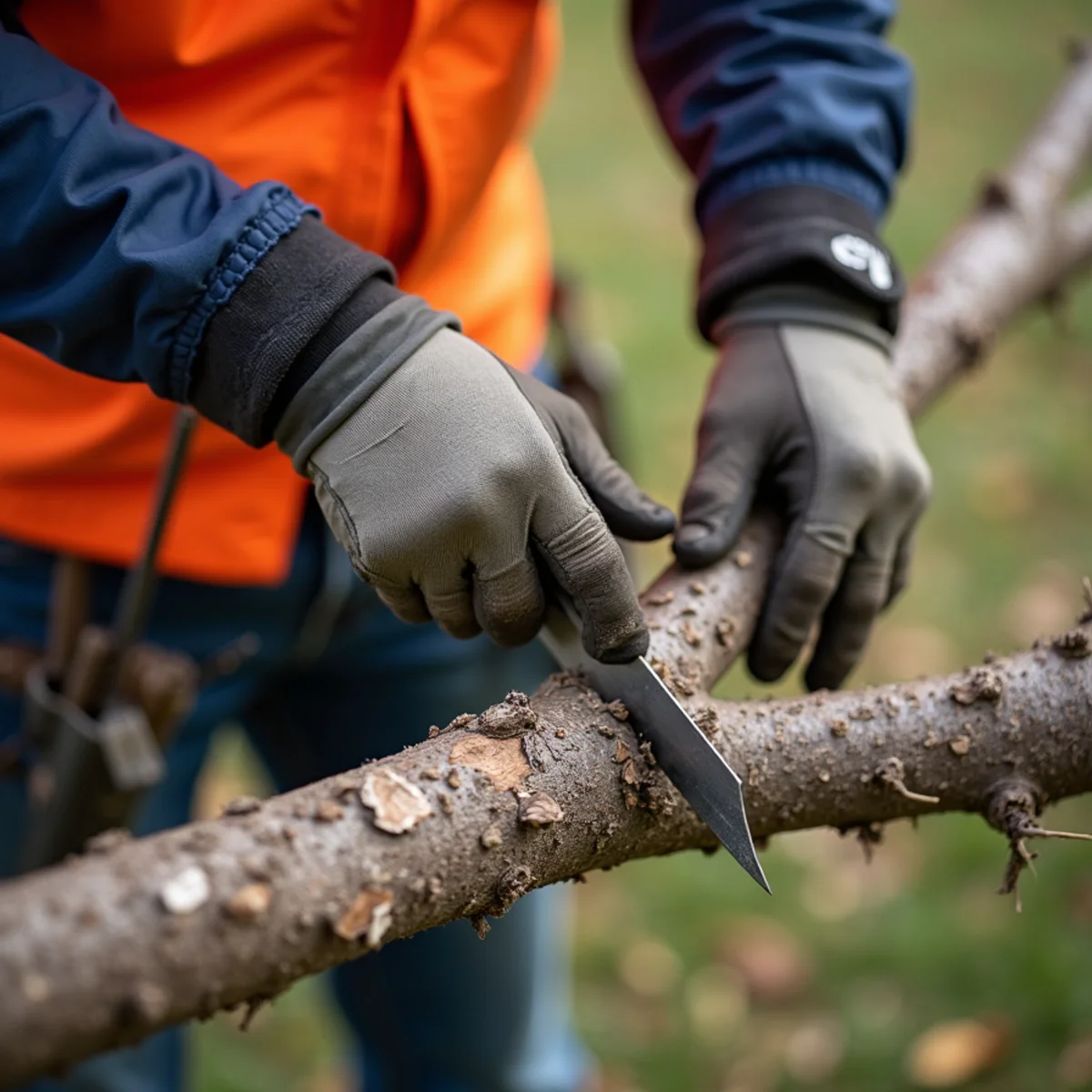
- Branch Collar Preservation: Proper pruning cuts are made just outside the branch bark ridge and branch collar—the swollen zone where the branch joins the trunk. The collar contains specialized chemical barrier zones that compartmentalize decay. Flush cuts (cutting flat against the trunk) remove this collar, allowing decay to penetrate deep into the trunk heartwood. - The Evils of Tree Topping: Topping—cutting main upper leaders off flat to reduce tree height—is arboricultural malpractice. Topping triggers an explosion of weakly attached, fast-growing epicormic sprouts (water sprouts). These sprouts are anchored only into the thin outer bark layer. Within 3 to 5 years, they become heavy, decay at the base, and shear off catastrophically during thunderstorms or ice events.
Protect your property's valuable canopy with scientifically timed, professional pruning. To schedule a comprehensive tree trimming and health assessment in Concord, Harrisburg, or Midland, call Cabarrus Tree Crew at (321) 478-0689.
Field Evidence & Visual Guide
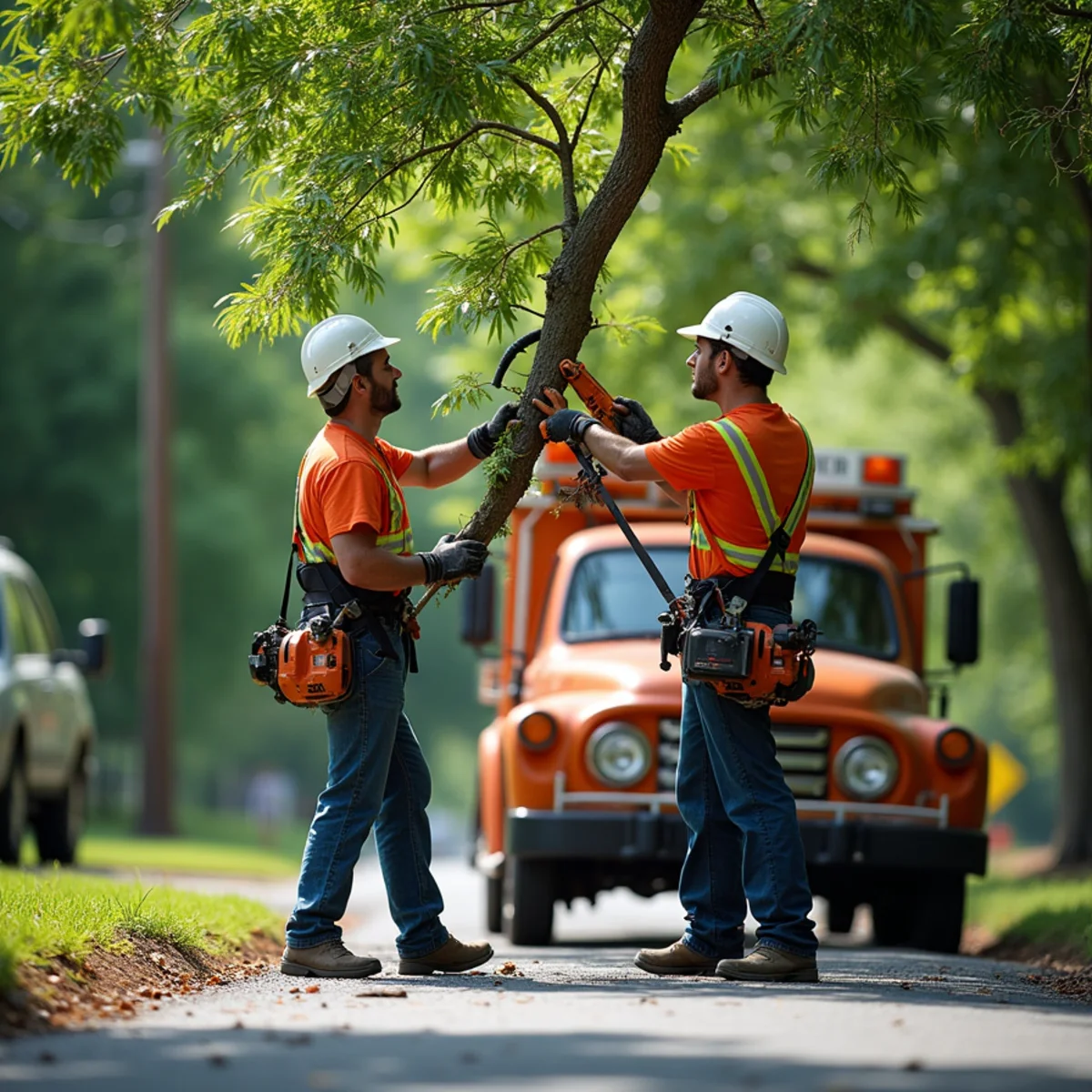
Reference photographs illustrating the key stages, biological indicators, and field equipment discussed in this article.
Need Help With a Dangerous or Fallen Tree?
Call Cabarrus Tree Crew at (321) 478-0689. Our insured local teams answer 24 hours a day, 7 days a week.
Frequently Asked Questions
Can trees be trimmed in freezing sub-zero weather?▾
Why is tree topping so destructive for mature shade trees?▾
Why should I avoid trimming oak trees during the summer months?▾
How often should mature shade trees be trimmed?▾
Request an On-Site Tree Estimate
For immediate emergencies (tree on house, car, or blocked road), please call directly for fastest dispatch.