
Concord Tree Removal Regulations: Historic District COA & City Guidelines
Planning to cut down a tree on your Concord property? Learn when a Certificate of Appropriateness (COA) is required in historic districts, rules for right-of-way street trees, and standard private lot exemptions.
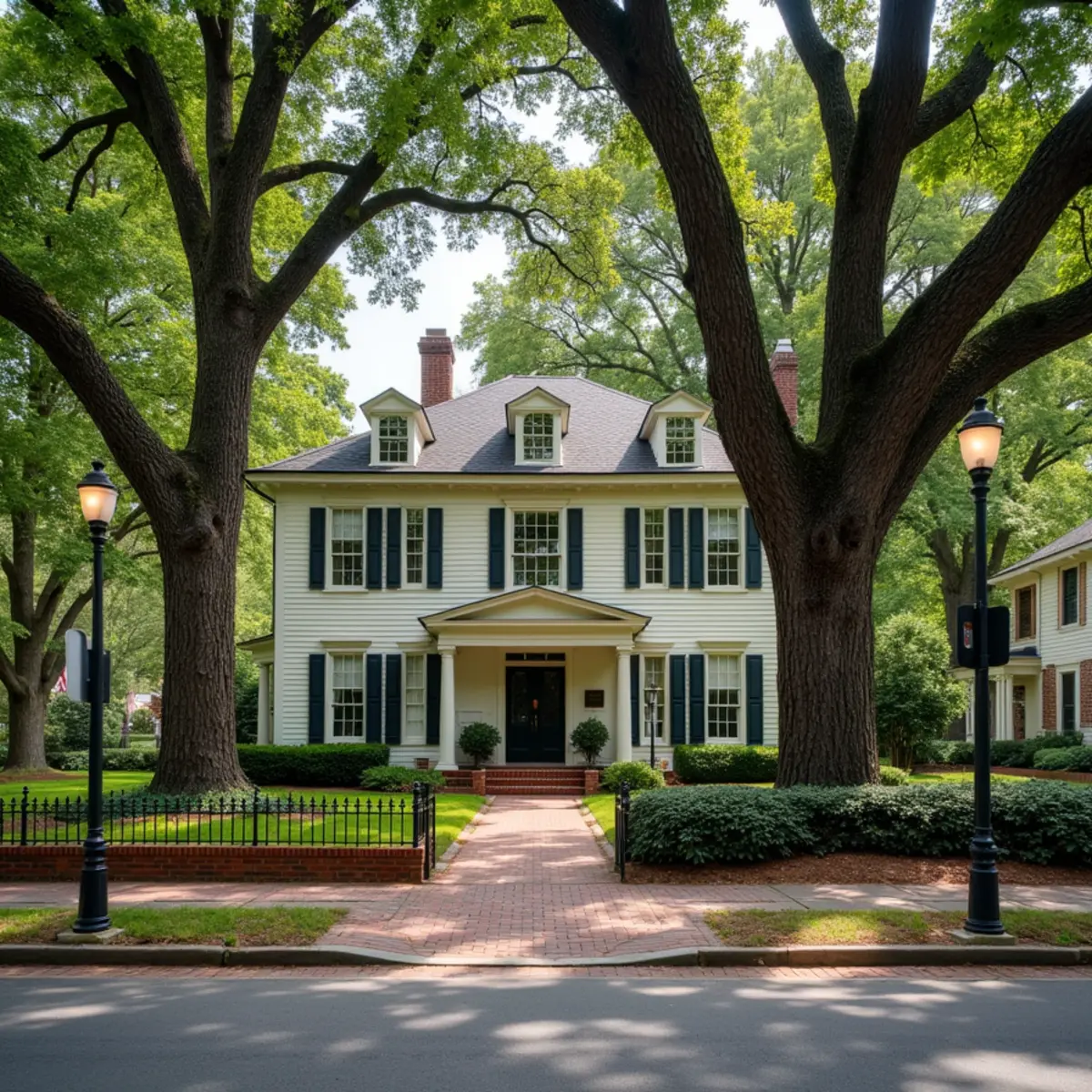
The City of Concord takes exceptional pride in its historic tree canopy. Century-old willow oaks, towering pecans, and mature southern magnolias frame the historic Victorian and neoclassical homes along North and South Union Streets, providing shade, environmental cooling, and irreplaceable neighborhood character.
However, when a historic shade tree begins to decline, hollows out from trunk fungal rot, or threatens roof sheathing during Piedmont windstorms, property owners face a complex balance between municipal preservation regulations and personal property safety. Understanding Concord's tree ordinances, historic district boundaries, and HOA covenants protects you from costly municipal stop-work orders and civil fines.
---
Standard Private Residential Lots (Outside Historic Overlays)
For the vast majority of residential homeowners in Concord, Harrisburg, and Cabarrus County living outside designated municipal historic overlay districts:
- No Municipal Tree Removal Permit Required: The City of Concord does not require private residential property owners to obtain a city permit or pay an application fee to cut down or trim trees located entirely within their deeded property boundaries. - Deeded Land Ownership Rights: Homeowners have full legal authority to manage, prune, or completely remove trees on their property, provided the work does not encroach upon municipal easements or protected buffer wetlands. - Commercial & Subdivision Buffer Rules: Commercial properties, multifamily complexes, and major subdivisions are governed by the Concord Development Ordinance (CDO), which requires preserving perimeter landscape buffers, tree save areas, and screening canopies.
---
Concord's Historic Districts: The Certificate of Appropriateness (COA) Rule
If your parcel is situated within one of Concord's three designated Historic Districts:
1. North Union Street Historic District (Spanning from Buffalo Avenue north to historic residential corridors) 2. South Union Street Historic District (Extending south from Corban Avenue through grand turn-of-the-century estates) 3. Edgewood Historic District (Characterized by historic craftsman bungalows and mature residential canopies)
The Concord Historic Preservation Commission (HPC) strictly regulates the exterior landscape under municipal preservation statutes:
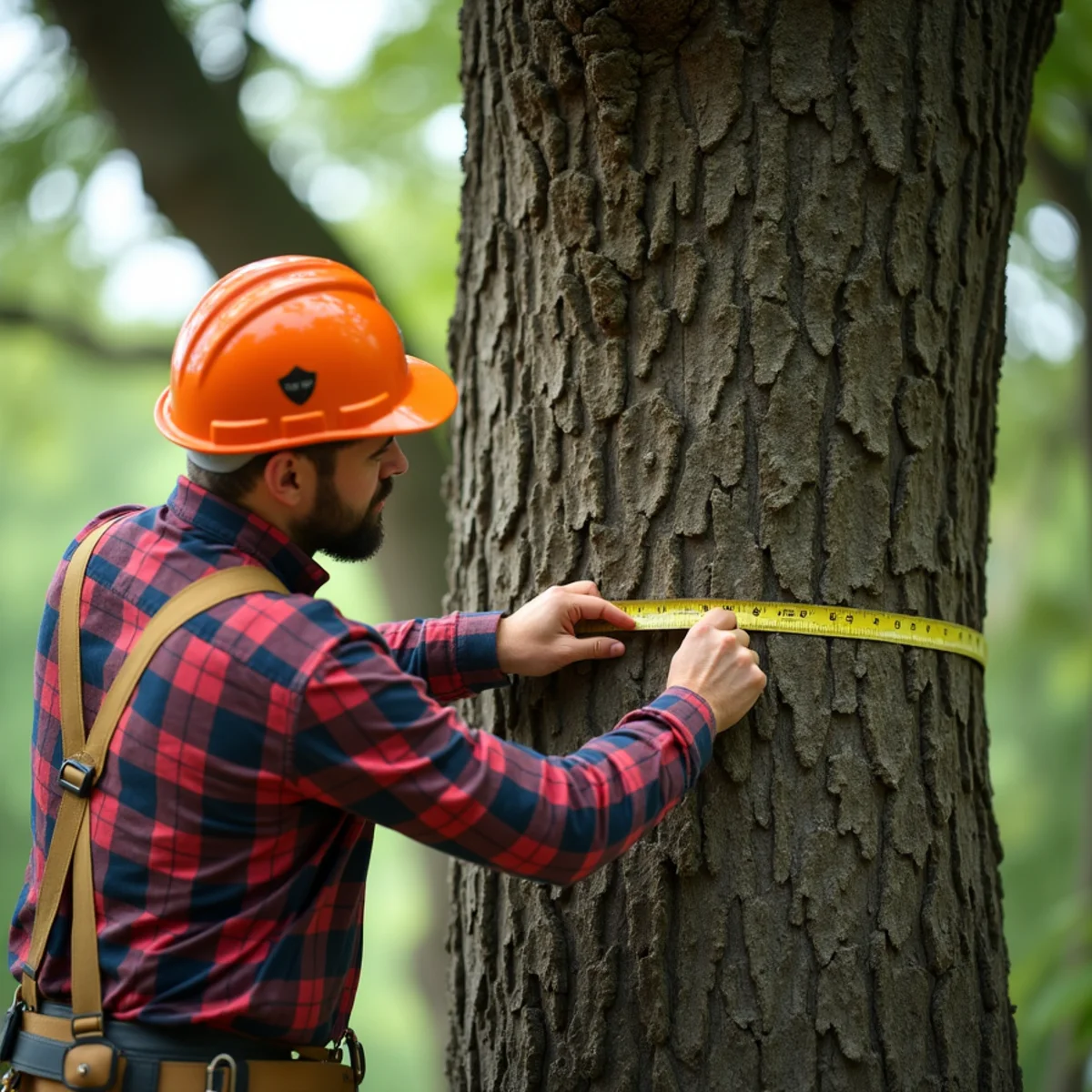
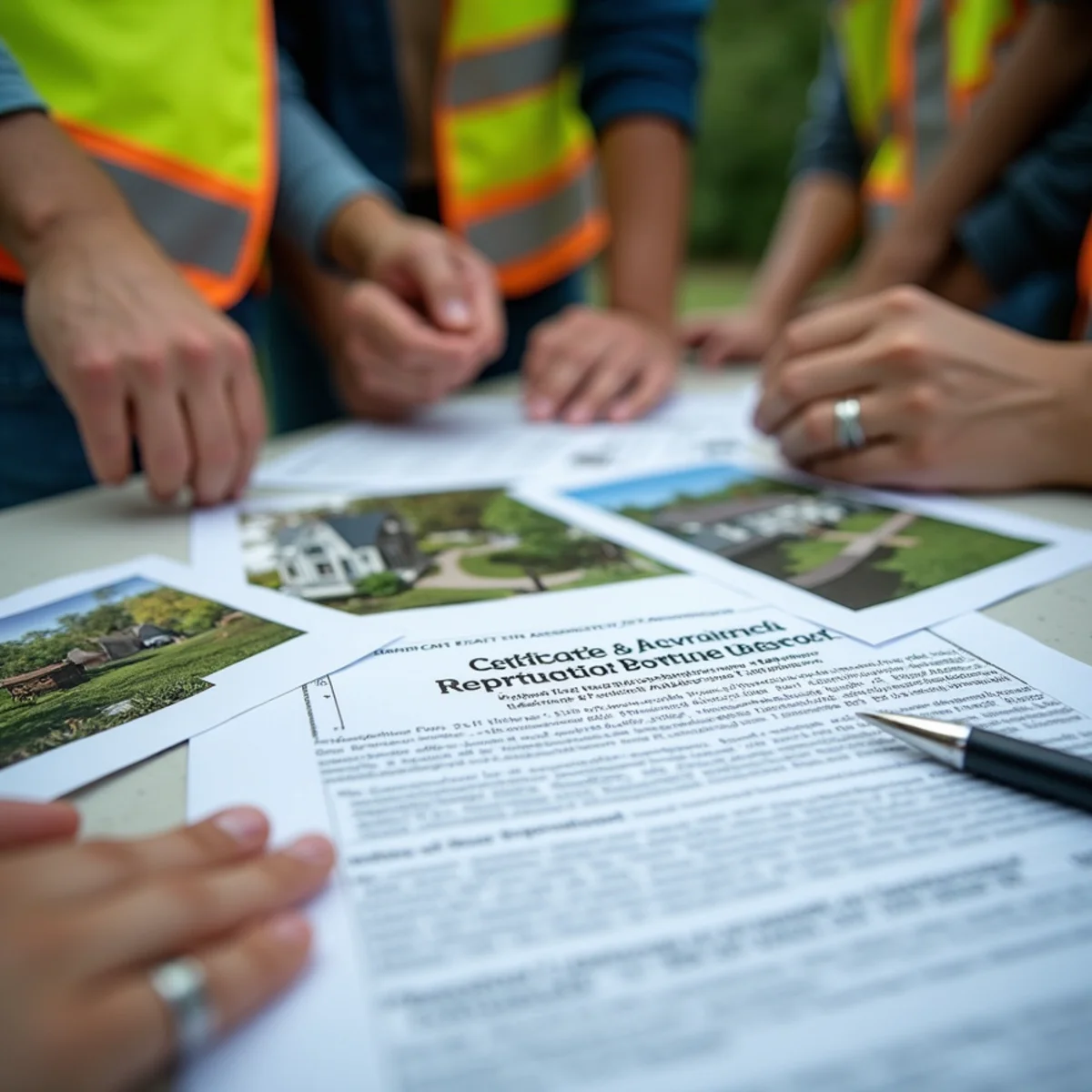
- The 6-Inch Caliper Threshold: Removing any healthy or live tree with a trunk diameter of 6 inches or greater (measured at 4.5 feet above the ground, known as Diameter at Breast Height or DBH) is legally classified as a 'major landscape alteration' and requires an approved Certificate of Appropriateness (COA). - Application Submission: Homeowners must submit a completed COA application along with a site sketch, photographs of the tree, and justification for removal to the Concord Planning & Neighborhood Development Department. - Staff Approval vs. Full Commission Hearing: - If a tree is provably dead, severely diseased, or structurally hazardous, city planning staff can approve the COA administratively within 5 to 10 business days without requiring a formal public hearing. - If a homeowner wishes to remove a healthy, mature historic canopy tree for landscape redesign or pool installation, the application must undergo a full public evidentiary hearing before the Historic Preservation Commission.
---
Emergency Removal vs. Routine COA Approval
| Approval Category | Qualifying Criteria | Required Documentation | Processing Timeframe | |---|---|---|---| | Emergency Administrative Removal | Imminent collapse threat, storm-snapped trunk, roof impact | Photos of active split/lean + written arborist hazard report | Immediate / Same-Day Staff Clearance | | Routine Administrative Approval | Tree is 100% dead, severe rot, verified invasive species | Photos of crown dieback, fungal conks, or arborist assessment | 5 to 10 Business Days | | Full HPC Commission Review | Healthy mature shade tree (>6" DBH) removal requested | Site plan, replanting proposal, formal commission testimony | 30 to 45 Days (Monthly Hearing Cycle) | | Protected Street Tree | Tree located in municipal right-of-way / planting strip | Contact Concord Urban Forestry directly | Managed exclusively by City crews |
---
How to Prove a Tree Is Hazardous to Historic Staff
To secure rapid administrative COA approval for a declining or dangerous tree in a historic district, documentation is everything. City planning staff will not grant removal based on verbal claims that a tree 'looks scary.'
Cabarrus Tree Crew assists historic district property owners by preparing formal Arborist Hazard Documentation Packets that include: - Exact DBH trunk caliper measurements. - High-resolution photographs showing active fungal conks, root collar rot, or co-dominant split seams. - Sound-wood thickness evaluations demonstrating structural failure risk under ANSI A300 standards. - A signed written recommendation detailing why crown thinning or cabling cannot mitigate the hazard.
When presented with objective arboricultural data, city planning staff can swiftly grant administrative removal authorization.
---
Municipal Right-of-Way & Street Trees
In both historic and modern Concord neighborhoods, trees situated in the grassy strip between the street curb and the pedestrian sidewalk—or located directly within municipal utility right-of-way easements—are classified as Public Street Trees.
- Strict Municipal Jurisdiction: Homeowners are legally prohibited from pruning, topping, or cutting down public street trees. - City Maintenance: The City of Concord Urban Forestry division is responsible for maintaining, pruning, and clearing street trees. If a street tree has dead branches threatening your parked car or sidewalk, contact Concord Urban Forestry or submit an online service request through the City's citizen portal.
---
Planned Neighborhoods & HOA Architectural Review Boards (ARB)
Even if your home is outside historic districts, planned subdivisions across Concord, Harrisburg, and Kannapolis—such as Afton Village, Christenbury, Moss Creek, and Roberta Mill—often feature strict private covenants:
- HOA Tree Covenants: Many HOA bylaws require homeowners to obtain written Architectural Review Board (ARB) approval before cutting down front-yard shade trees over a certain caliper. - Mandatory Replacement Trees: Many covenants require planting a replacement canopy tree (such as a red maple, willow oak, or dogwood) within 60 days of removal to maintain subdivision aesthetic standards.
Whether you need a comprehensive hazard report for a Concord Historic Preservation Commission application or expert crane dismantling in tight historic downtown lots, Cabarrus Tree Crew delivers dependable, code-compliant service. Call (321) 478-0689 to schedule your consultation.
Field Evidence & Visual Guide
Reference photographs illustrating the key stages, biological indicators, and field equipment discussed in this article.
Need Help With a Dangerous or Fallen Tree?
Call Cabarrus Tree Crew at (321) 478-0689. Our insured local teams answer 24 hours a day, 7 days a week.
Frequently Asked Questions
What happens if someone cuts down a tree in a Concord historic district without a COA?▾
Can Cabarrus Tree Crew provide written hazard reports for the Historic Preservation Commission?▾
Does pruning a tree in a Concord historic district require a COA?▾
Are Bradford pear trees exempt from historic preservation protection?▾
Request an On-Site Tree Estimate
For immediate emergencies (tree on house, car, or blocked road), please call directly for fastest dispatch.