Does Homeowners Insurance Cover Fallen Tree Removal in North Carolina?
Tree fallen on your roof, garage, or lawn? North Carolina insurance rules depend heavily on whether a structure was damaged. Here is a clear breakdown of coverage, deductibles, and debris sublimits.
North Carolina Homeowners Insurance: Coverage by Scenario
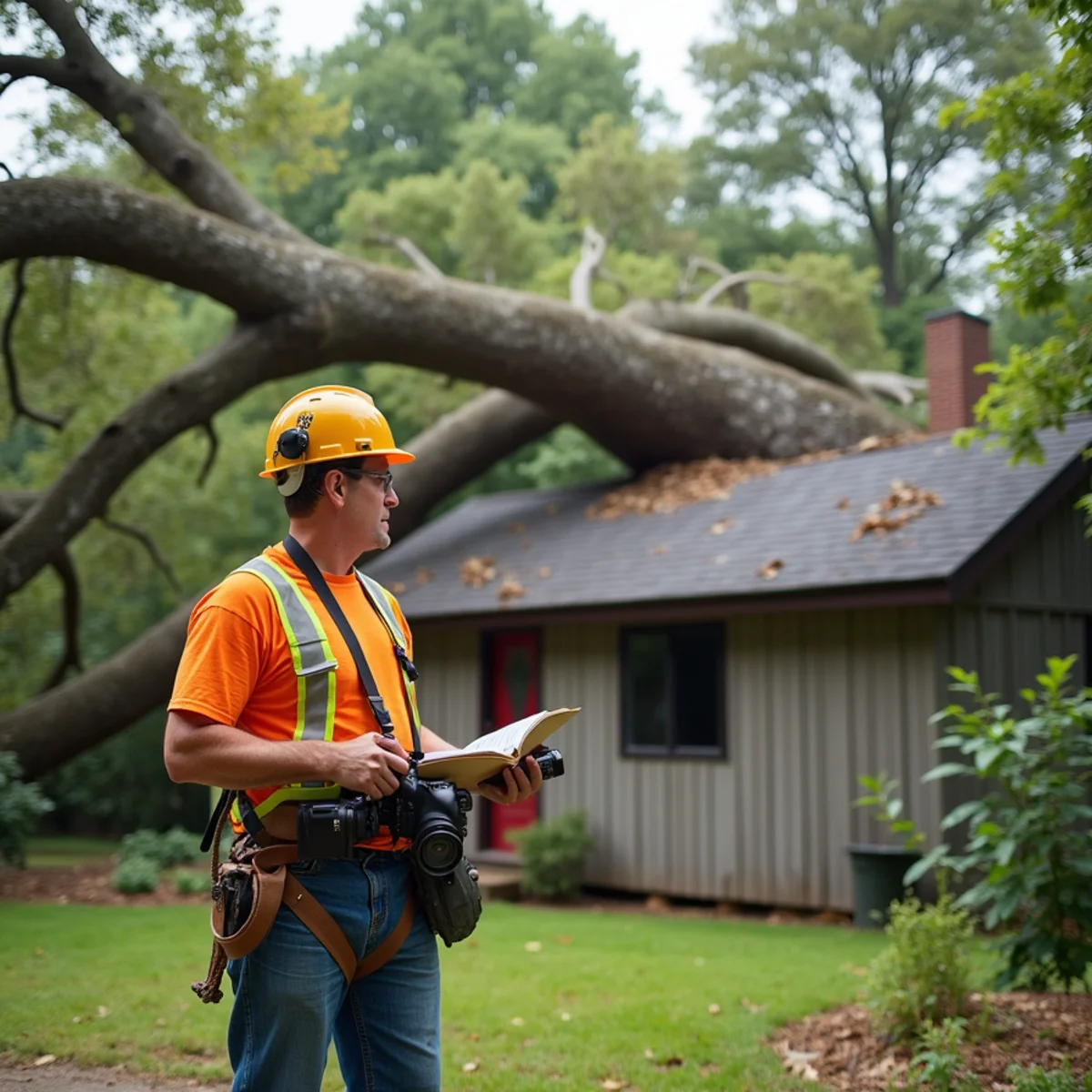
Following severe Piedmont thunderstorms, tropical storm remnants, or winter ice storms across Cabarrus County, insurance coverage for fallen trees follows strictly defined contractual principles:
| Scenario | Structural Repairs Covered? | Tree Extraction Covered? | Debris Hauling Limit | |---|---|---|---| | Tree Hits Primary Dwelling or Attached Garage | Yes (subject to deductible) | Yes (part of dwelling preservation) | Typically $500–$1,000 per tree ($1,000–$2,000 storm max) | | Tree Crushes Detached Shed, Gazebo, or Fence | Yes (under Other Structures Coverage B) | Yes (to relieve structural load) | Up to policy sublimit (often $500–$1,000) | | Tree Blocks Residential Driveway or Ramp | No structure damage | Yes (limited egress provision) | Capped at $500 to $1,000 under emergency clearance | | Tree Falls Harmlessly in Lawn or Woods | No structure damage | No (excluded as yard maintenance) | $0 (homeowner pays out of pocket) | | Neighbor's Tree Falls on Your House | Yes (file under your own policy) | Yes (under your dwelling coverage) | Standard policy sublimits apply |
Note: Individual insurance carriers (such as State Farm, Farm Bureau, Allstate, USAA, and Nationwide) have varying endorsement language. Always review your declarations page.
Scenario 1: The Tree Strikes a Covered Structure (Covered Loss)
When a falling oak, pine, or maple breaches your roofline, gutters, siding, or detached outbuildings:
- Dwelling Preservation & Tree Extraction: The labor, crane rigging, and equipment necessary to surgically extract the tree from your roof are covered under Coverage A (Dwelling). Insurance carriers recognize that the tree must be lifted to inspect structural rafters and prevent progressive ceiling collapse. - Emergency Weather Mitigation (Roof Tarping): Under standard North Carolina insurance policy language, homeowners have a legal contractual duty to protect the property from secondary rain damage. Installing heavy commercial waterproof tarps over punctured decking is fully reimbursable under emergency loss mitigation. - Debris Haul-Away Sublimits: While lifting the tree off the home is covered under dwelling limits, cutting up the remaining log wood and hauling it to a landfill is subject to a specific "Debris Removal" sublimit (commonly $500 to $1,000 per tree, with a $1,000 to $2,000 maximum per storm occurrence).
Scenario 2: The Tree Falls Harmlessly Across the Lawn (Usually Excluded)
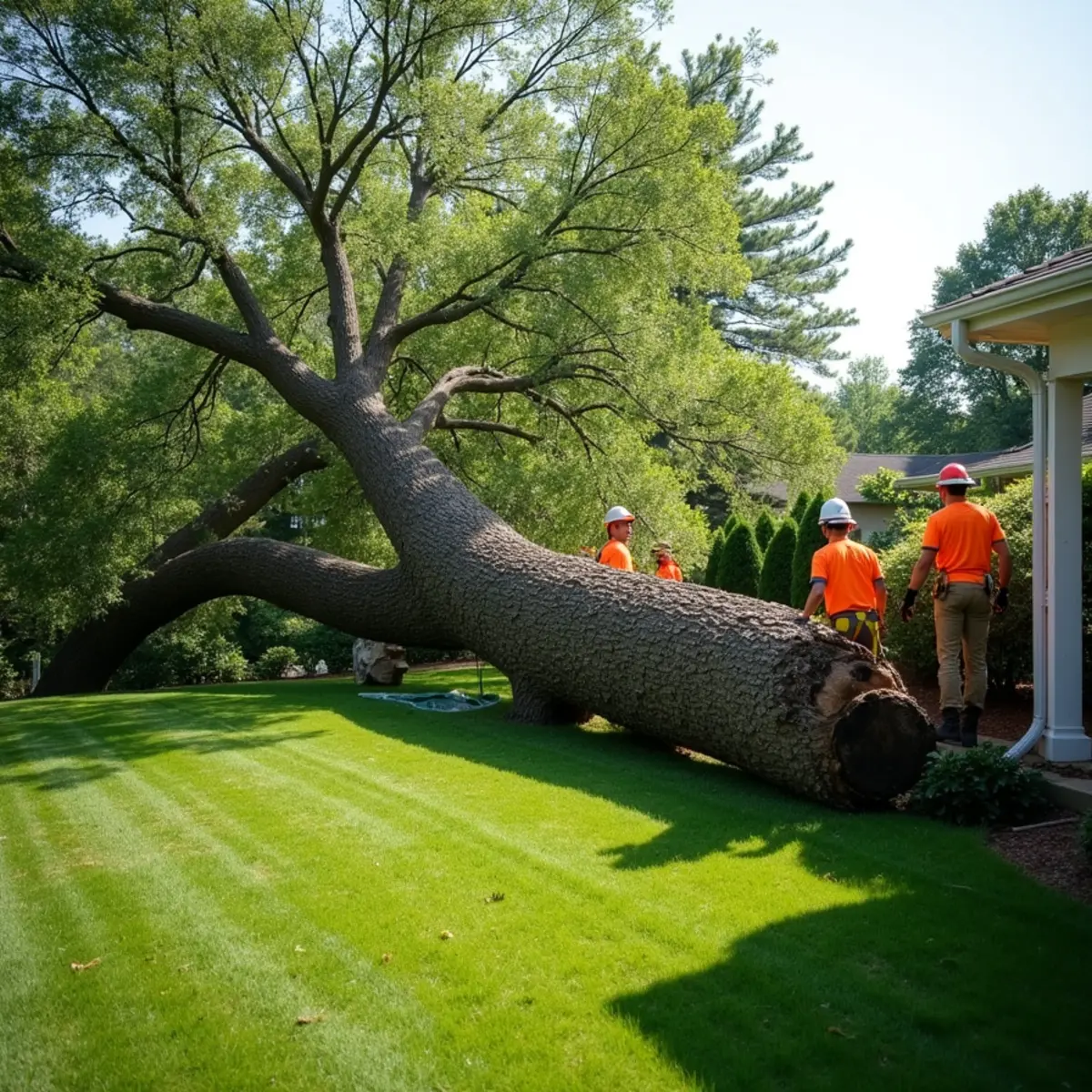
If an 80-foot willow oak blows over in saturated red clay soil and sprawls across your turf without scratching a single building or fence:
- Standard NC homeowners insurance policies treat the event as routine yard maintenance rather than an insured peril loss. The homeowner is entirely responsible for hiring a tree service to cut, chip, and haul the timber. - The Driveway Access Exception: Most modern insurance policies include an emergency accessibility endorsement: if a downed tree completely blocks your primary driveway—preventing your vehicles from entering or exiting, or blocking emergency vehicles—insurance will pay up to the debris removal sublimit (usually $500 to $1,000) to cut a driveway access lane.
Scenario 3: A Neighbor's Tree Falls Across Your Property Boundary
Boundary disputes over fallen trees are widespread after Piedmont storms:
- The North Carolina "Act of God" Rule: Under established North Carolina common law, if a living, apparently healthy tree topples due to natural storm winds, the owner of the tree is not legally liable for resulting property damage. You must file the claim with your own homeowners insurance provider. - The Prior Negligence Exception: The only scenario where your neighbor's insurer can be held liable is if you can demonstrate actionable negligence: specifically, that the tree was visibly dead, rotten, or structurally cracked prior to the storm, that the neighbor had received documented written notice of the hazard, and that they failed to take reasonable action to remedy the danger.
Expert Arborist Insight: How to Format Tree Invoices for Insurance Adjusters
One of the most frequent reasons insurance claims get delayed or partially denied in North Carolina is improper contractor invoicing. When an adjuster reviews a tree invoice that lists a single lump sum (e.g., "$3,500 for tree removal"), they will immediately kick it back for itemization because different portions of the job are paid out of separate coverage buckets.
To ensure your claim is processed and reimbursed without pushback, professional tree services utilize a 3-part line-item billing breakdown:
1. Tree Extraction / Structural Rigging (Coverage A - Dwelling): The specialized labor, crane deployment, and rigging required to lift the tree off your roof framing. This portion is paid under your main dwelling limit with no artificial $500 cap. 2. Debris Hauling & Disposal (Debris Removal Endorsement): The chipping, chainsaw bucking, and trucking of excess wood to a disposal yard. This is billed against your policy's $500–$1,000 debris removal sublimit. 3. Emergency Roof Tarping & Securing (Mitigation): Heavy polyethylene tarping, strapping, and framing lumber installed over roof openings to halt water infiltration. 4. Stump Grinding (Optional / Out of Pocket): Grinding the remaining below-grade stump is almost never covered by insurance unless the root plate must be excavated to repair underground plumbing or home foundation footings.
If storm winds have brought a tree down onto your home, fence, or driveway in Concord, Kannapolis, or Mint Hill, contact Cabarrus Tree Crew at (321) 478-0689 for immediate 24/7 emergency response and adjuster-ready documentation.
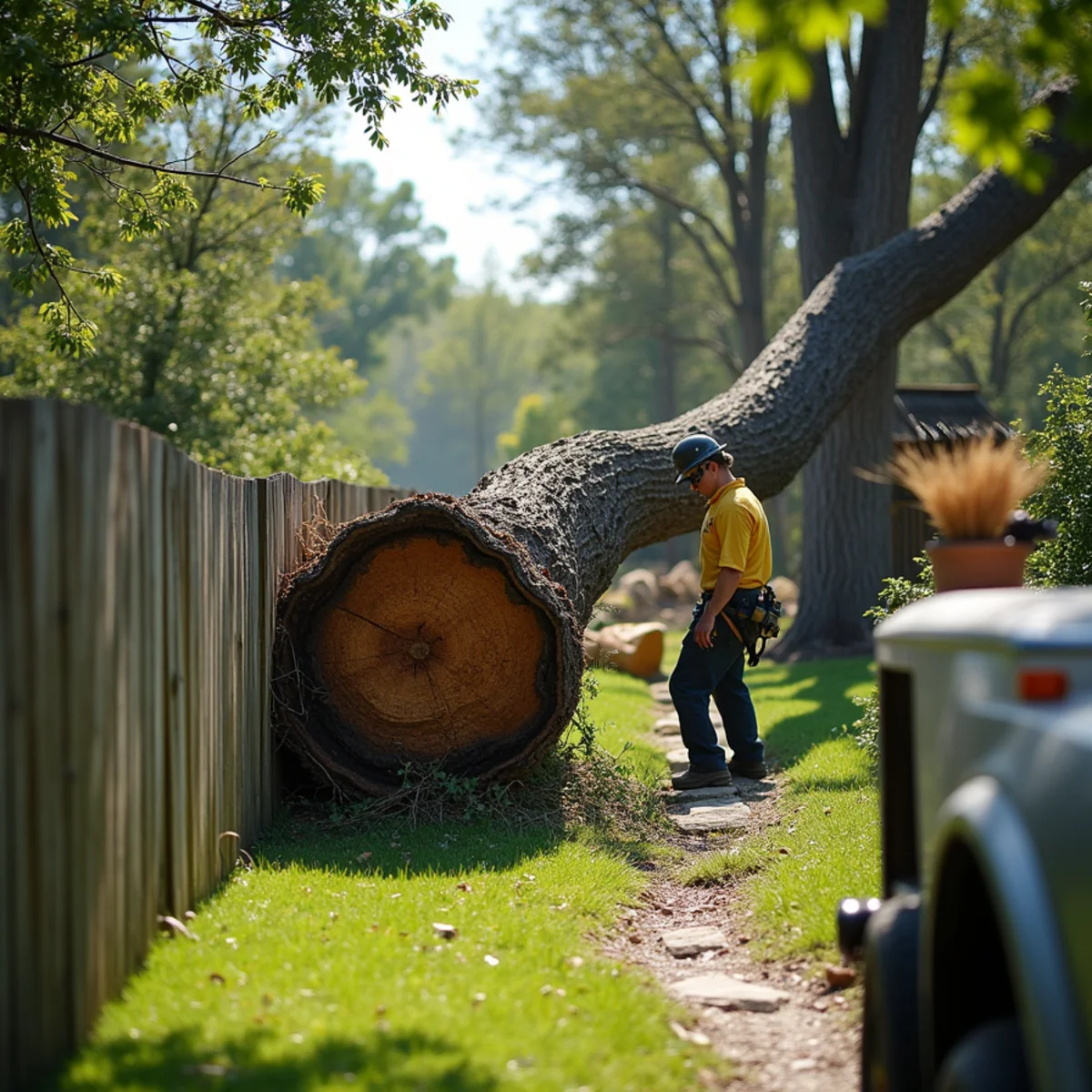
Field Evidence & Visual Guide
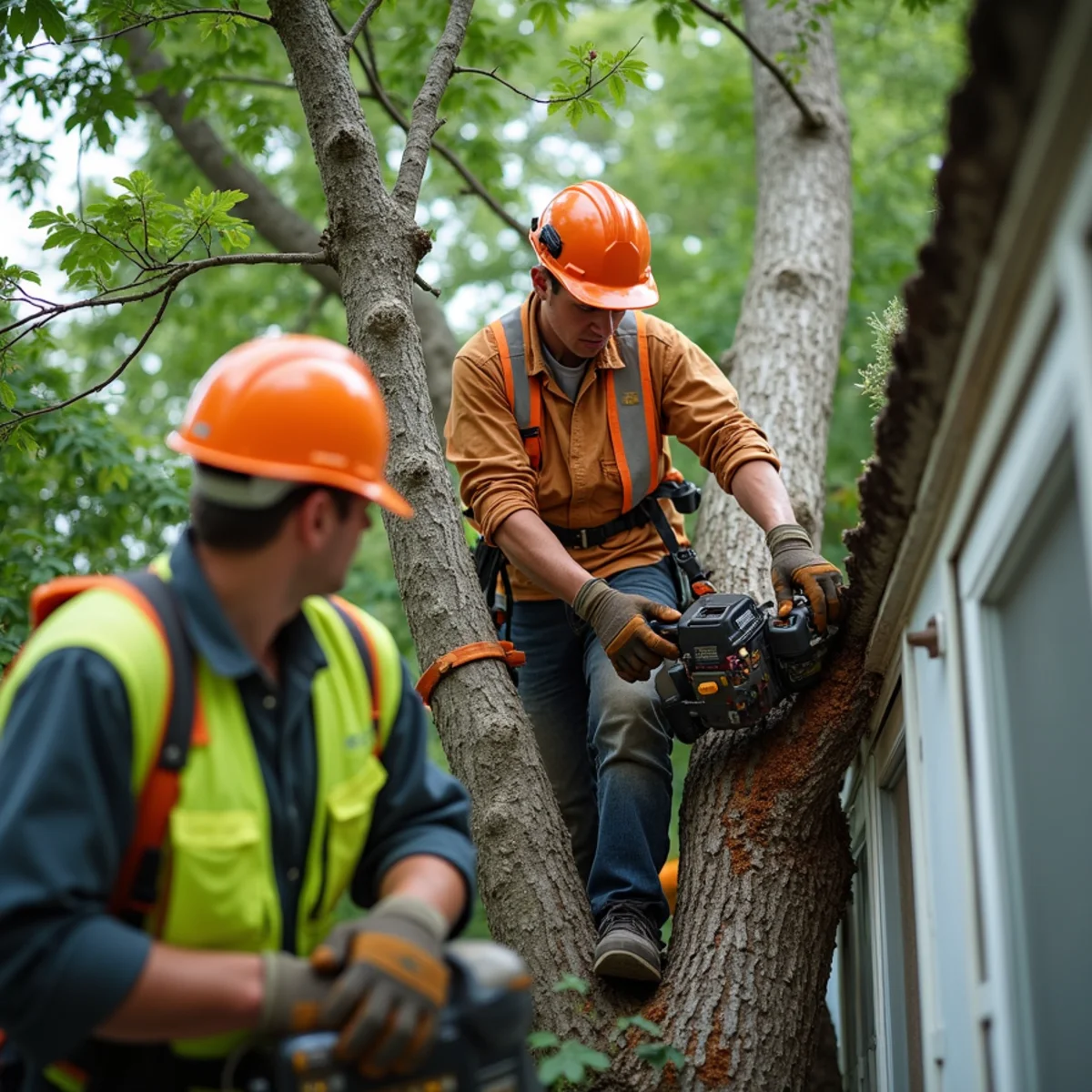
Reference photographs illustrating the key stages, biological indicators, and field equipment discussed in this article.
Need Help With a Dangerous or Fallen Tree?
Call Cabarrus Tree Crew at (321) 478-0689. Our insured local teams answer 24 hours a day, 7 days a week.
Frequently Asked Questions
Does homeowners insurance cover stump grinding after a storm in North Carolina?▾
Should I file an insurance claim if the tree removal estimate is close to my deductible?▾
What happens if a tree falls on my car parked in the driveway?▾
Do insurance adjusters require multiple tree removal quotes after an emergency?▾
Request an On-Site Tree Estimate
For immediate emergencies (tree on house, car, or blocked road), please call directly for fastest dispatch.